
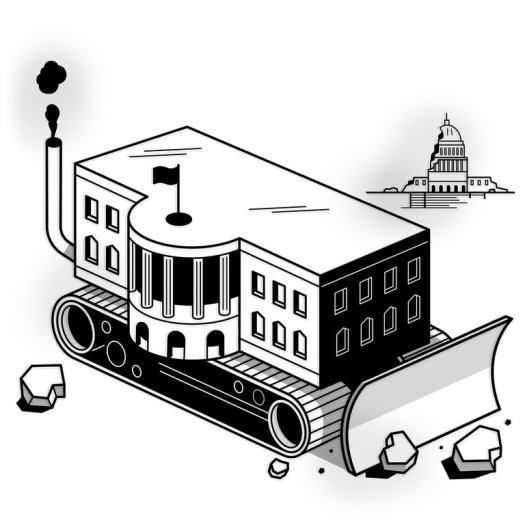
By John Yoo / The New York Times
February 6, 2017
As an official in the Justice Department, I followed in Hamilton’s footsteps, advising that President George W. Bush could take vigorous, perhaps extreme, measures to protect the nation after the Sept. 11 attacks, including invading Afghanistan, opening the Guantánamo detention center and conducting military trials and enhanced interrogation of terrorist leaders. . . . But even I have grave concerns about Mr. Trump’s uses of presidential power.
Faced with President Trump’s executive orders suspending immigration from several Muslim nations and ordering the building of a border wall, and his threats to terminate the North American Free Trade Agreement, even Alexander Hamilton, our nation’s most ardent proponent of executive power, would be worried by now.
Article II of the Constitution vests the president with “the executive power,” but does not define it. Most of the Constitution instead limits that power, as with the president’s duty “to take care that the laws are faithfully executed,” or divides that power with Congress, as with making treaties or appointing Supreme Court justices.
Hamilton argued that good government and “energy in the executive” went hand in hand. In The Federalist No. 70, he wrote that the framers, to encourage “decision, activity, secrecy and dispatch,” entrusted the executive power in a unified branch headed by a single person, the president.
 HolyLandJustice.org
You must be logged in to post a comment.