
Palestinians find inspiration in the first anti-apartheid movement and other struggles against settler colonialism in their call for BDS and secular democracy in historic Palestine.
By Haidar Eid | Mondoweiss | July 15, 2020
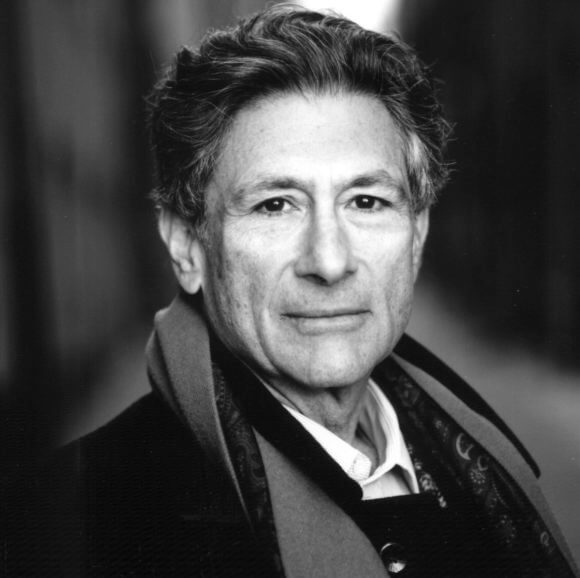
I was inspired by Edward Said because I belong to a generation that did not witness the Nakba. I am part of a generation that was thought to be resigned to more than 50 years of military occupation, and more than 70 years of dispossession and apartheid.
Since the beginning of the formation of his political consciousness in 1967, Edward Said emerged as the world’s most significant moral intellectual since Jean Paul Sartre and Bertrand Russel. As professor of literature and literary criticism and spiritual figurehead of the Palestinian cultural landscape, together with Ghassan Kanafani, Mahmoud Darwish, and countless others, he was instrumental in making Palestine one of the predominant moral causes of our time. His dedication to fundamental Palestinian human rights elevated him to a status of icon and inspiration.
After the official leadership of the Palestine Liberation Organization signed the infamous Oslo Accords in 1993, Said began to argue that it was high time that the Palestinian people moved away from the illusion of the two-state solution and advocate a democratic approach, one that could guarantee their basic rights, namely freedom, equality, and justice.
Continue reading “Edward Said and the ‘rendezvous of victory’”




![An Israeli settlement in the West Bank on 19 November 2019 [Mosab Shawer/Apaimages]](https://i1.wp.com/www.middleeastmonitor.com/wp-content/uploads/2020/02/SETTLEMENT191119_MSH_00-3.jpg?resize=1200%2C800&quality=85&strip=all&zoom=1&ssl=1)


You must be logged in to post a comment.