

About 50% of the West Bank has been annexed by settlements, and 90% of the West Bank’s water is stolen from underneath the Palestinians.
By Robert Inlakesh | Mint Press News | Mar 29, 2018
“The Occupying Power shall not deport or transfer parts of its own civilian population into the territory it occupies.”
— Article 49, Fourth Geneva Convention
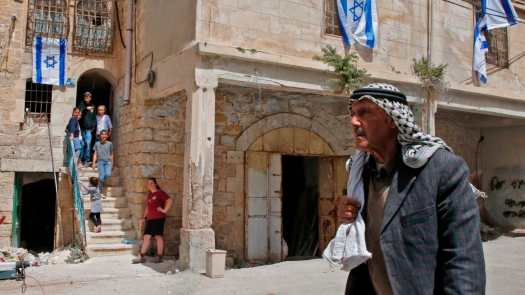
It is time to pose a question: Are Israeli settlers civilians? Or are they illegal occupiers? A group of Israeli settlers made the move to seize land in East Hebron (al-Khalil) last Monday (Mar 6, 2018), setting up camp — adjacent to the “Kharsina settlement” — backed by an entourage of heavily armed soldiers.
This move threatens three Palestinian families, with fears that they will soon be dispossessed of their land and homes. Those at risk of being cleansed and their property stolen, are the Eida, Jwihan and the al-Halawa families. The initiative to take this land came from the settlers themselves, who now occupy the 70-dunums. The settlers are living in four newly purchased caravans.
The above example clearly illustrates the way in which illegally established settlements, in the West Bank, come to their fruition.
Continue reading “Should Israeli settlers be considered civilians?”






 HolyLandJustice.org
You must be logged in to post a comment.